
Complex investigations benefit from early coordination between the project team, field crews, engineers, and laboratory staff. The sooner the team understands access limits, design questions, utility constraints, and schedule drivers, the easier it is to select the right investigation methods.
Start with the decisions the data needs to support
A boring plan should not be treated as a generic checklist. Foundation type, anticipated cuts and fills, retaining structures, pavement sections, groundwater concerns, and construction sequencing all affect what information the design team needs. Defining those decisions early helps avoid collecting data that is technically complete but not very useful. See E2CR's geotechnical drilling services for related field capabilities.
Match drilling methods to access and subsurface risk
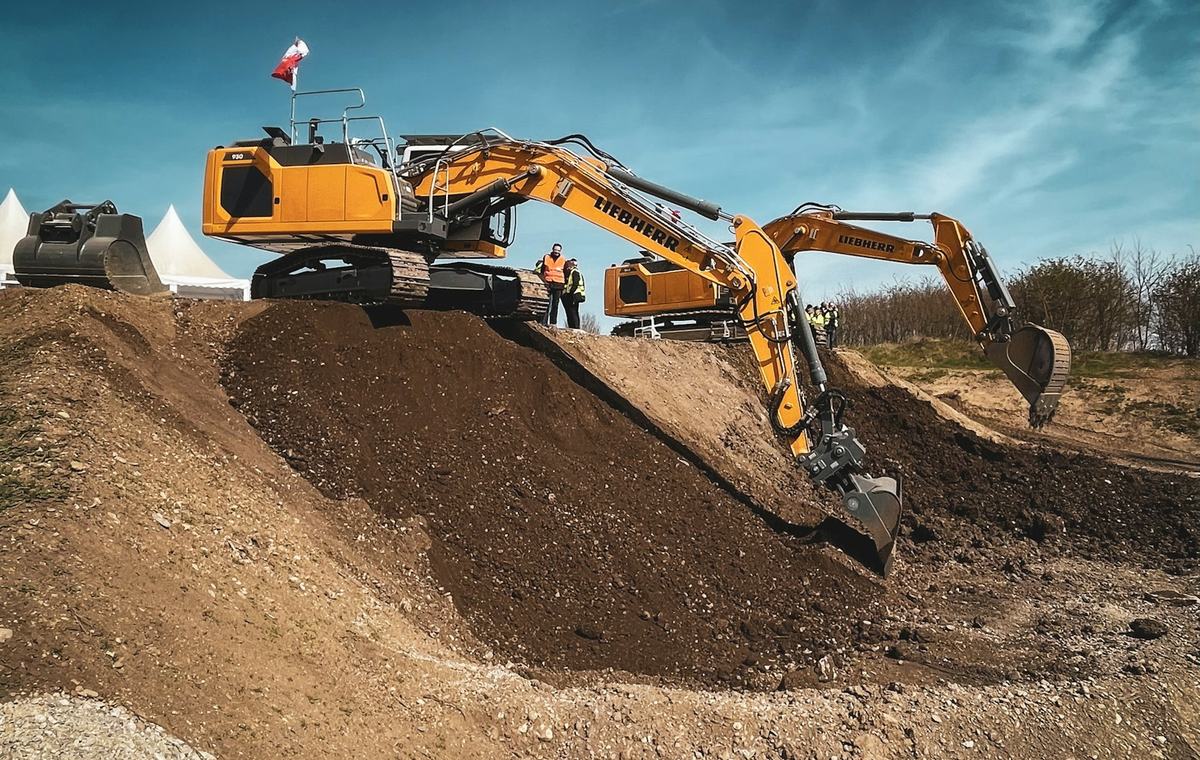
Urban sites, waterfront work, rail corridors, and active roadways can require limited-access rigs, night work, traffic control, or marine drilling setups. These constraints should be identified before mobilization so the field program can be planned around real site conditions instead of adjusted reactively after crews arrive.
- Confirm access routes and working pads.
- Identify utility, traffic, and permitting constraints.
- Match drilling equipment to the anticipated site conditions.
Keep sampling, testing, and reporting connected
E2CR's integrated workflow helps align drilling methods, sample handling, laboratory testing, and engineering review around the same project goals. That coordination improves traceability from field logs to final recommendations and helps teams respond faster when conditions differ from expectations.