

AASHTO-accredited laboratory testing turns field samples into design inputs for classification, compaction, strength, consolidation, and pavement support. The value is strongest when the test program is tied directly to the design questions raised during drilling and engineering review.
Classification testing creates the baseline
Moisture content, Atterberg limits, grain size distribution, and visual classification help establish the soil profile used in reports and recommendations. These results provide the baseline for understanding material behavior, variability, and whether additional strength or consolidation testing is needed.
Compaction and pavement tests support constructability
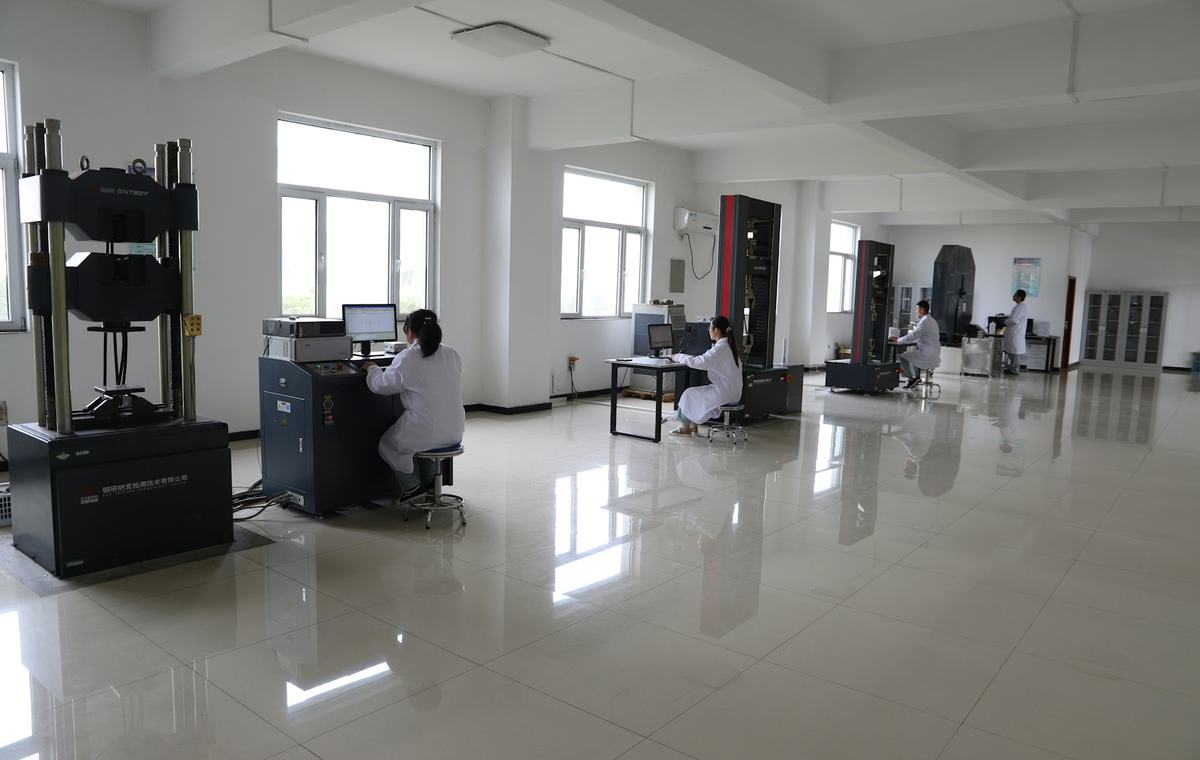
Moisture-density relationships, CBR testing, and related pavement support tests help owners and contractors understand how site soils may perform during construction. These tests can inform subgrade preparation, fill acceptance, pavement section design, and construction-phase quality control.
- Moisture-density testing supports compaction criteria.
- CBR testing informs pavement subgrade assumptions.
- Reviewing results with field logs keeps recommendations traceable.
Engineer review keeps results connected to decisions
Laboratory results are most useful when they are reviewed in the context of field logs, groundwater observations, project loads, and construction constraints. Engineer-reviewed results help owners and design teams make decisions with better traceability and faster feedback.